Trying to decide whether speckle is the signal or the artifact? This page focuses on applications where speckle is the measurement signal. If your goal is smoother illumination with reduced visible speckle artifacts, see Speckle-Reduced Imaging and Illumination.
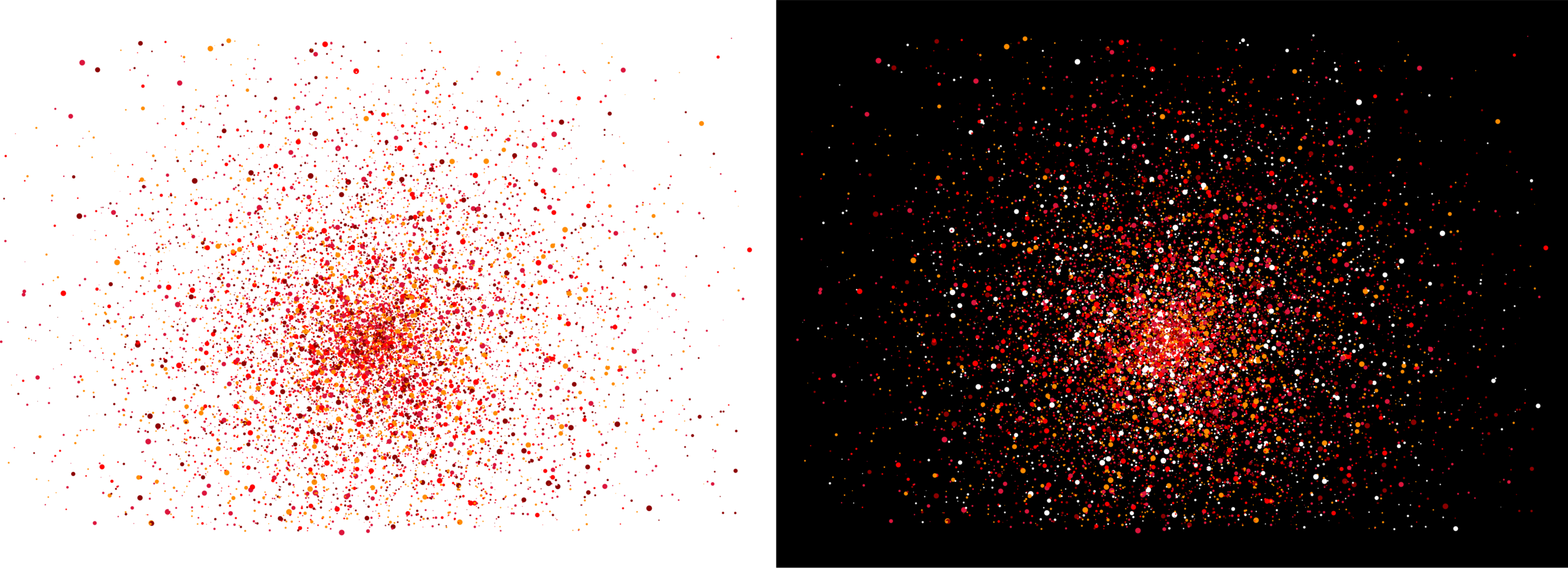
Speckle-based measurement uses coherent laser light to create a speckle pattern that can be analyzed. As the sample moves or changes, the pattern changes with it. Those changes can provide information about motion, flow, perfusion, or scattering dynamics.
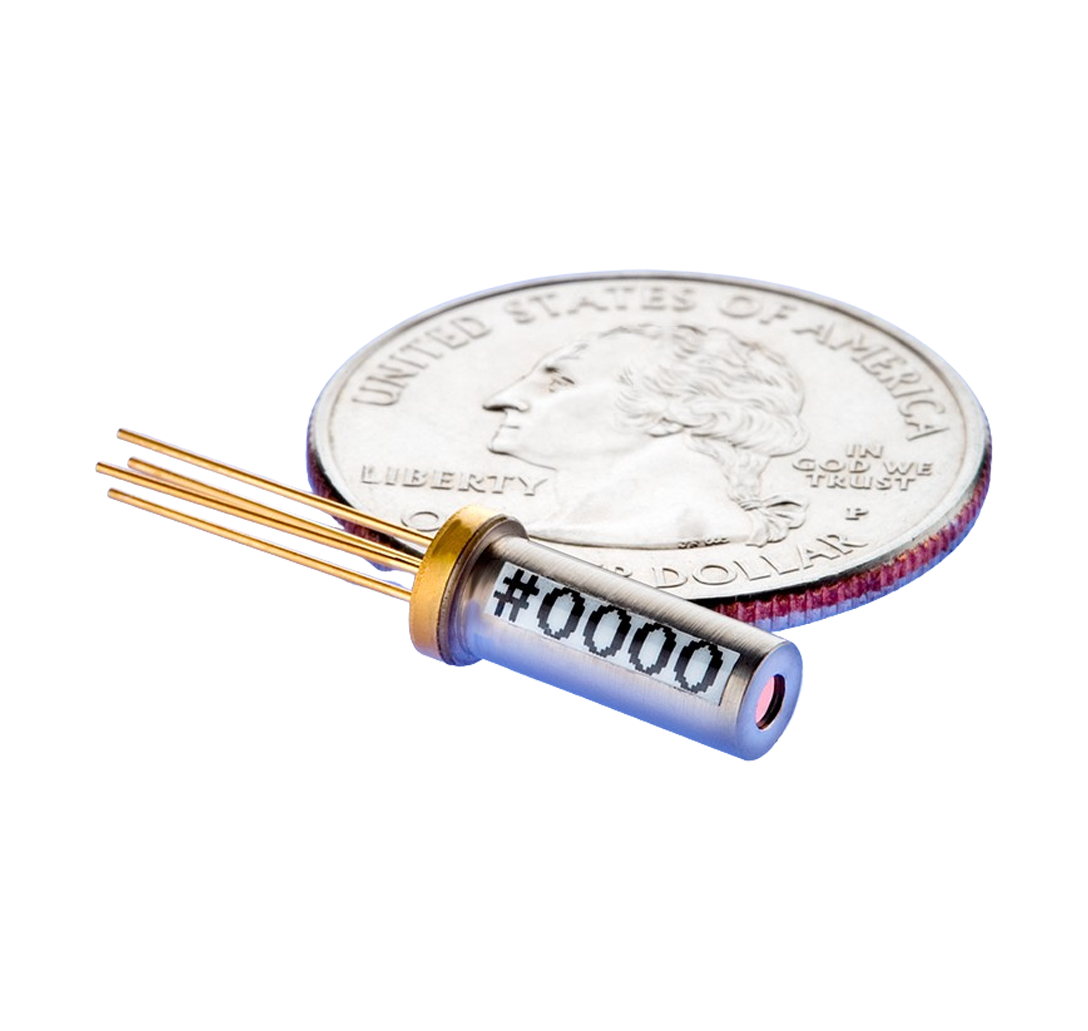
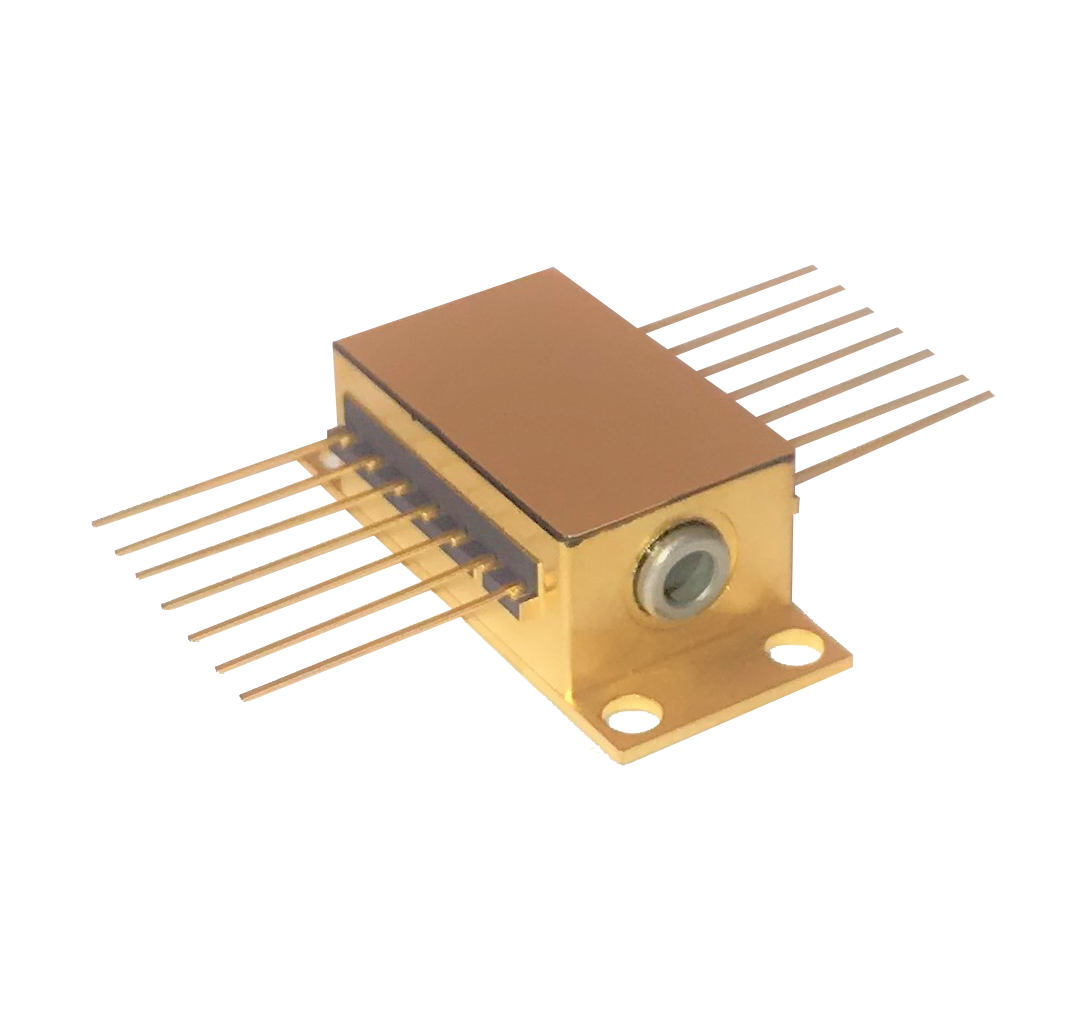
For these measurements, the quality of the speckle signal matters. A stable, well-matched laser source can help produce high-contrast, repeatable speckle, making the signal more suitable for analysis.
The spectral properties of the laser source are especially important because they affect how the speckle pattern forms. In speckle-based methods, source spectral width and coherence can affect speckle contrast and signal quality. Wavelength stability, beam delivery, and output power also help support consistent operation over time, temperature, and integration conditions.